What is it?
Your calf is made up of two main muscles—the gastrocnemius and soleus—which help you walk, run, and push off the ground. A strain happens when one of these muscles is overstretched or torn. It usually affects the gastrocnemius, especially near the inner part of the muscle, and often occurs when your knee is straight and ankle is flexed—like during sprinting, lunging, or jumping.
Who is at risk?
- Middle-aged or older adults, especially those who are active
- Athletes in sports like tennis (often called “tennis leg”), basketball, football, running, or skiing
- People who suddenly push off or rise from kneeling
What you might feel
- A sudden snap or pop in the calf during activity
- Sharp pain that worsens after walking a few steps
- Swelling, bruising, and tenderness
- Difficulty pushing off with the foot or rising on toes
Role of physiotherapy
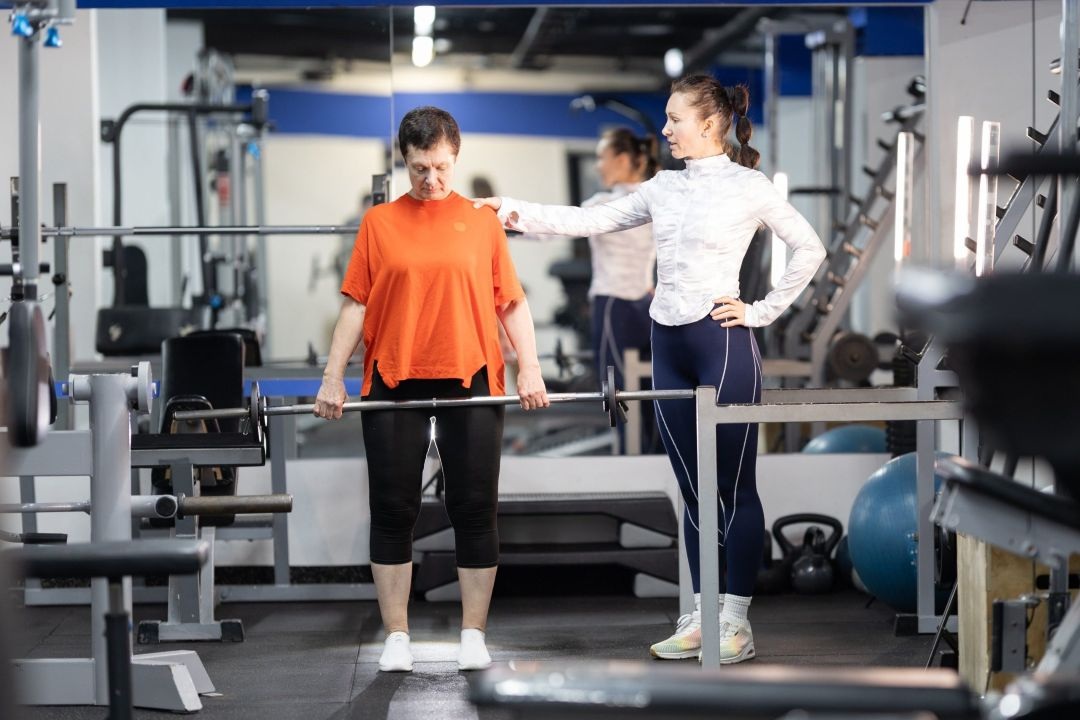
Physiotherapists assess calf strains by:
- Palpating the area to locate the exact point of pain
- Using calf raises or gentle movement tests to check strength and function
- Screening for more serious issues (e.g., assessing for signs of blood clots)
Treatment plan includes:
- Early stage care: Rest, elevation, gentle compression, and avoiding painful ankle movements
- Rehabilitation exercises: Gentle stretches progressing to strength and balance work
- Return to sport guidance: Helping you build back up to full activity safely
Recovery
Most people recover well with physiotherapy and don’t need surgery. A gradual, guided return to activity is key to preventing reinjury.
Reference: Hsu D, Chang KV. Gastrocnemius Strain. In: StatPearls [Internet]. Treasure Island (FL): StatPearls Publishing; 2024. NCBI Bookshelf NBK534766.