What is it?
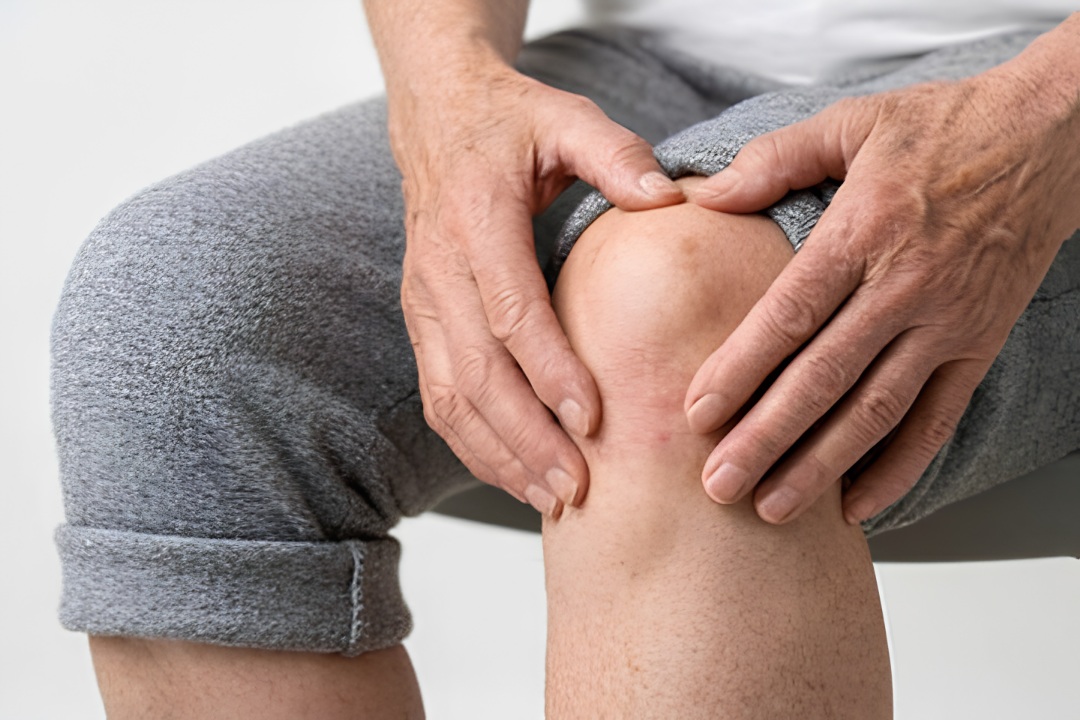
Hip osteoarthritis is a common condition that affects the hip joint, causing pain, stiffness, and reduced movement. It develops when the tissues within the joint gradually change over time. Rather than being simply “wear and tear,” osteoarthritis affects the entire joint, including the cartilage, bone, muscles, ligaments, and joint lining.
What causes it?
Several factors can increase the risk of developing hip osteoarthritis, including:
- Increasing age
- Previous hip injuries or surgery
- Excess body weight
- Family history of osteoarthritis
- Certain hip shapes or conditions present from birth
- Repetitive loading over many years
While age is a risk factor, osteoarthritis is not an inevitable part of ageing, and many people remain active with the right management.
How it feels
- Pain in the groin (most common), buttock, outer hip, or thigh
- Stiffness, particularly after sitting or first thing in the morning
- Difficulty walking long distances
- Pain when climbing stairs or getting out of a chair
- Reduced ability to put on shoes and socks
- A clicking or grinding sensation during movement
Could my hip pain be osteoarthritis?
Hip osteoarthritis is more likely if you:
- Are over 50 years of age
- Have pain that develops gradually over time
- Feel stiffness that improves after moving around
- Notice reduced hip movement, especially turning your leg inward or bending to put on shoes and socks
- Experience groin pain during walking or weight-bearing activities
It’s important to remember that X-rays don’t always match symptoms. Some people have significant arthritis changes on imaging but very little pain, while others experience pain with only mild changes. A physiotherapy assessment is just as important as imaging in understanding your condition.
What you can do
- Stay active and avoid prolonged rest
- Aim for regular strengthening and flexibility exercises
- Choose low-impact activities such as walking, cycling, swimming, or hydrotherapy
- Maintain a healthy body weight to reduce stress on the hip
- Pace your activities and gradually build your tolerance
- Continue exercising even when symptoms improve to maintain strength and mobility
Research shows that exercise is one of the most effective treatments for hip osteoarthritis and does not speed up joint damage when performed appropriately.
How physiotherapy helps
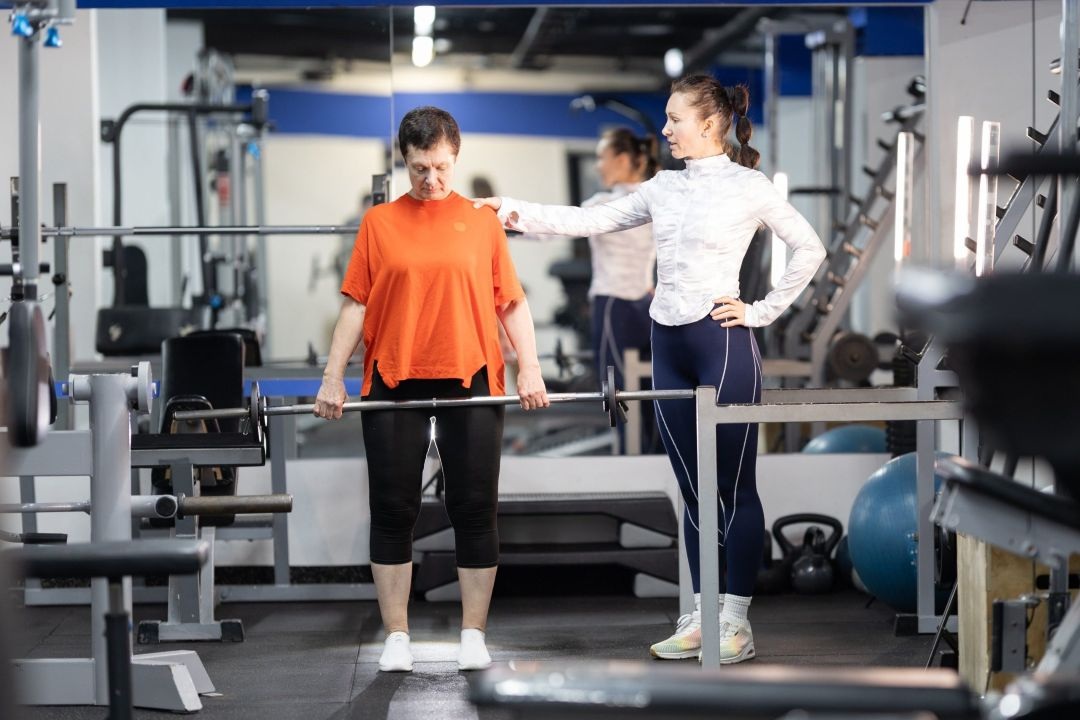
Physiotherapy is one of the most effective treatments for hip osteoarthritis. Your physiotherapist will:
- Assess your hip movement, strength, walking pattern, and balance
- Develop a personalised exercise program
- Improve hip flexibility and joint mobility
- Strengthen the muscles around your hip and pelvis to better support the joint
- Teach strategies to reduce pain and manage flare-ups
- Advise on activity modification and appropriate walking aids if required
- Help you return to the activities that matter most to you
Other treatment options
Your doctor may recommend pain-relieving medications or anti-inflammatory medications to help manage symptoms. If pain and function continue to worsen despite conservative treatment, hip replacement surgery may be considered. Physiotherapy before and after surgery can improve recovery.
Recovery and outlook
Hip osteoarthritis is a long-term condition, but it can be managed successfully. Regular exercise, maintaining a healthy weight, and following a structured physiotherapy program can significantly reduce pain, improve movement, and help you stay active and independent. Many people manage their symptoms well for years without needing surgery.
Reference:
Sandiford N, Kendoff D, Muirhead-Allwood S. Osteoarthritis of the hip: aetiology, pathophysiology and current aspects of management. Annals of Joint. 2020.